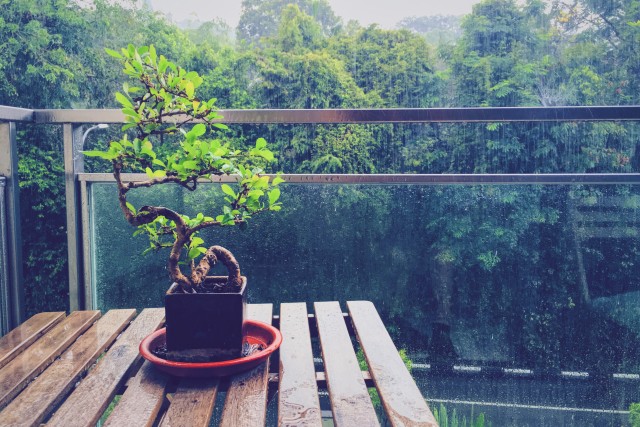
Guide for Indoor vs Outdoor Bonsai Trees: Which One Should You Buy? | Complete Buyer’s Guide
Guide for Indoor vs Outdoor Bonsai Trees. One of the biggest misconceptions in the bonsai world is that every bonsai tree can live comfortably indoors. It’s understandable why many people think that. After all, bonsai trees are small, decorative, and often displayed on coffee tables, desks, and shelves. But the reality is a bit more complicated.
I remember purchasing my first Juniper bonsai years ago. The tree looked incredible sitting near a bright window in my living room. Unfortunately, despite regular watering, it began declining within months. The problem wasn’t my care routine—it was that Juniper is an outdoor species that requires seasonal changes and direct sunlight.
That experience taught me a lesson many bonsai enthusiasts learn the hard way: choosing between an indoor and outdoor bonsai tree is one of the most important decisions you’ll make.
If you’re currently browsing bonsai trees for sale, understanding the differences between indoor and outdoor species can save you time, money, and frustration.
Featured Snippet: Indoor vs Outdoor Bonsai Trees
Indoor bonsai trees are tropical or subtropical species that can adapt to stable indoor temperatures, while outdoor bonsai trees require natural sunlight, seasonal weather changes, and dormancy periods. The best choice depends on your living environment, climate, and ability to provide proper growing conditions.
Understanding the Difference Between Indoor and Outdoor Bonsai Trees
A bonsai tree isn’t a separate species. It’s a regular tree cultivated in miniature form through pruning, root management, and specialized training techniques.
The key difference lies in the species itself.
- Indoor bonsai trees are typically tropical or subtropical species.
- Outdoor bonsai trees are temperate species that require seasonal changes.
This distinction determines where the tree can survive and thrive.
What Are Indoor Bonsai Trees?
Indoor bonsai trees originate from tropical and subtropical regions where temperatures remain relatively stable throughout the year.
These species can adapt to the controlled conditions found inside homes, apartments, and offices.
Popular Indoor Bonsai Species
- Ficus Bonsai
- Jade Bonsai
- Fukien Tea Bonsai
- Hawaiian Umbrella Bonsai
- Dwarf Schefflera Bonsai
- Money Tree Bonsai
These varieties are among the most popular options available at Bonsai Tree For Sale because they suit modern indoor living environments.
Advantages of Indoor Bonsai Trees
- Suitable for apartments and condos
- Can be displayed year-round indoors
- Protected from extreme weather
- Convenient for daily observation
- Ideal for office spaces
Challenges of Indoor Bonsai Trees
- Lower humidity levels indoors
- Limited natural sunlight
- Potential pest issues
- Need for supplemental lighting in some homes
What Are Outdoor Bonsai Trees?
Outdoor bonsai trees are species naturally adapted to temperate climates. These trees require exposure to changing seasons, temperature fluctuations, and natural sunlight.
Many iconic bonsai species fall into this category.
Popular Outdoor Bonsai Species
- Juniper Bonsai
- Japanese Maple Bonsai
- Pine Bonsai
- Boxwood Bonsai
- Cotoneaster Bonsai
- Elm Bonsai
Outdoor species often develop stronger seasonal characteristics, including colorful autumn foliage, flowering cycles, and winter dormancy.
Advantages of Outdoor Bonsai Trees
- Natural sunlight promotes vigorous growth
- Seasonal beauty throughout the year
- Typically stronger long-term health
- More traditional bonsai experience
- Greater styling possibilities
Challenges of Outdoor Bonsai Trees
- Exposure to extreme weather
- Requires outdoor space
- Seasonal maintenance needed
- Protection during severe storms
Indoor vs Outdoor Bonsai Trees Comparison Table
| Factor | Indoor Bonsai | Outdoor Bonsai |
|---|---|---|
| Sunlight Requirements | Bright indirect light | Direct sunlight |
| Temperature Needs | Stable temperatures | Seasonal variation required |
| Humidity Requirements | Moderate to high | Natural outdoor humidity |
| Maintenance Difficulty | Easy to Moderate | Moderate |
| Suitable for Apartments | Excellent | Limited |
| Winter Dormancy | Usually not required | Required for most species |
| Best for Beginners | Ficus, Jade | Juniper, Chinese Elm |
| Long-Term Growth Potential | Good | Excellent |
How Your Living Situation Affects Your Choice
Apartment Owners
If you live in an apartment with limited outdoor access, indoor bonsai species are often the practical choice.
A sunny south-facing window can support species like Ficus and Jade remarkably well.
For apartment dwellers, browsing indoor bonsai trees is usually the best place to start.
Homeowners with Gardens or Patios
If you have access to outdoor space, your options expand significantly.
You can grow traditional bonsai species such as Juniper, Pine, and Japanese Maple while enjoying natural seasonal development.
Which Bonsai Tree Is Better for Beginners?
This is one of the most common questions asked by new bonsai enthusiasts.
In my experience, indoor bonsai trees often provide a smoother learning curve for beginners because they are easier to monitor daily.
Species such as Ficus and Jade tolerate minor mistakes and recover more quickly than many outdoor varieties.
Best Indoor Bonsai for Beginners
- Ficus Bonsai
- Jade Bonsai
- Dwarf Schefflera
- Hawaiian Umbrella Bonsai
Best Outdoor Bonsai for Beginners
- Juniper Bonsai
- Chinese Elm Bonsai
- Boxwood Bonsai
- Cotoneaster Bonsai
Sunlight: The Most Important Factor
If there’s one aspect of bonsai care that determines success more than any other, it’s sunlight.
Many indoor bonsai failures occur because owners underestimate light requirements.
Indoor Bonsai Lighting Tips
- Place near south-facing windows
- Rotate the tree weekly
- Consider grow lights during winter
- Avoid dark corners
Outdoor Bonsai Lighting Tips
- Provide morning sun when possible
- Monitor heat stress during summer
- Protect delicate species from harsh afternoon exposure
Watering Differences Between Indoor and Outdoor Bonsai
Watering needs vary dramatically between indoor and outdoor environments.
| Condition | Indoor Bonsai | Outdoor Bonsai |
|---|---|---|
| Summer Watering | Daily or every few days | Often daily |
| Winter Watering | Reduced frequency | Significantly reduced |
| Evaporation Rate | Moderate | High |
| Humidity Impact | High | Natural regulation |
Traditional Bonsai and Outdoor Growing
Historically, bonsai trees have been cultivated outdoors. Traditional Japanese bonsai collections typically include species that experience all four seasons.
This seasonal cycle contributes to trunk development, branch ramification, and overall tree health.
To learn more about the history and art of bonsai, visit Wikipedia’s Bonsai article.
Signs You’ve Chosen the Wrong Environment
Indoor Bonsai Problems
- Leggy growth
- Leaf drop
- Pale foliage
- Slow growth
Outdoor Bonsai Problems
- Leaf scorch
- Dehydration
- Winter damage
- Wind stress
Early observation is one of the most valuable skills a bonsai owner can develop.
Frequently Asked Questions
Can any bonsai tree live indoors?
No. Only tropical and subtropical species are suitable for long-term indoor cultivation. Most traditional bonsai species require outdoor conditions.
What is the easiest indoor bonsai tree?
Ficus Bonsai is widely considered the easiest indoor bonsai tree because of its adaptability and resilience.
Can outdoor bonsai survive inside during winter?
Most outdoor bonsai should not remain indoors throughout winter because they require dormancy periods triggered by cooler temperatures.
Do indoor bonsai need direct sunlight?
Indoor bonsai benefit from bright light, but many species prefer filtered or indirect sunlight rather than prolonged intense exposure.
Final Verdict: Which One Should You Buy?
The answer depends entirely on your environment and lifestyle.
If you live in an apartment, office space, or home with limited outdoor access, an indoor bonsai such as Ficus, Jade, or Schefflera is likely your best choice.
If you have a patio, balcony, garden, or outdoor growing area, traditional outdoor bonsai species like Juniper and Japanese Maple can offer an incredibly rewarding experience.
Rather than asking which category is better, ask which category fits your situation. The most successful bonsai tree is the one that receives the environment it naturally needs.
Ready to find your ideal bonsai? Explore the premium collection at BonsaiTreeForSale.net and choose from carefully selected indoor and outdoor bonsai trees designed for beginners and experienced growers alike.