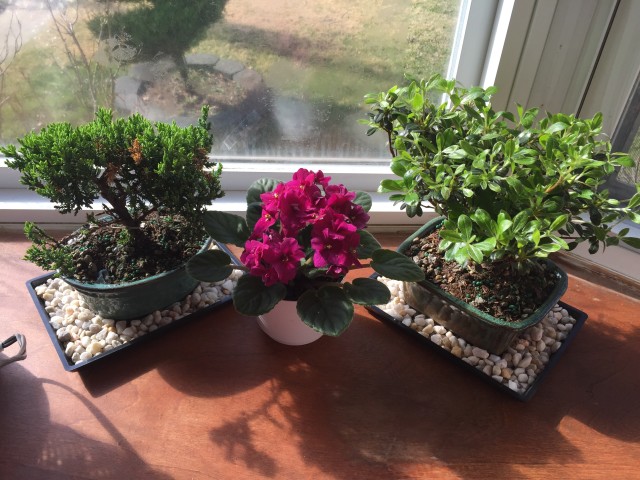
How to Choose the Perfect Bonsai Tree for Your Home
Choose the Perfect Bonsai Tree, and bringing a bonsai tree into your home isn’t just about buying another plant. It is about welcoming a living piece of art that can stay with you for years—even decades. The first bonsai I purchased looked beautiful online, but within a few months, it struggled because I chose a species that required outdoor conditions. That experience taught me a valuable lesson: selecting the right bonsai matters just as much as caring for it.
Whether you’re a complete beginner or someone looking to expand your collection, choosing the perfect bonsai tree requires understanding your environment, lifestyle, and long-term expectations. In this guide, we’ll break down everything you need to know before making a purchase.
If you’re ready to explore premium bonsai selections, browse the collection at Bonsai Tree For Sale and compare species suitable for your home environment.
Featured Snippet: How Do You Choose the Perfect Bonsai Tree?
The perfect bonsai tree depends on your living environment, available sunlight, experience level, and maintenance commitment. Beginners often succeed with Juniper, Ficus, or Chinese Elm bonsai trees because they are forgiving and adaptable. Always match the tree’s natural growing requirements with your home’s conditions before purchasing.
Why Choosing the Right Bonsai Tree Matters
Many people choose a bonsai based purely on appearance. While aesthetics are important, successful bonsai ownership depends on much more.
A bonsai tree is essentially a miniature version of a full-sized tree. Every species has unique requirements involving sunlight, watering, humidity, temperature, and seasonal changes.
When these requirements align with your home environment, bonsai care becomes enjoyable rather than frustrating.
Common Mistakes First-Time Buyers Make
- Buying outdoor bonsai for indoor spaces
- Choosing advanced species requiring intensive care
- Ignoring humidity requirements
- Selecting oversized bonsai for limited space
- Focusing only on appearance
Indoor vs Outdoor Bonsai Trees
One of the most important decisions involves determining whether you need an indoor or outdoor bonsai tree.
| Feature | Indoor Bonsai | Outdoor Bonsai |
|---|---|---|
| Sunlight | Bright indirect light | Direct sunlight |
| Temperature | Stable indoor conditions | Seasonal changes required |
| Maintenance | Moderate | Moderate to high |
| Best for Beginners | Ficus, Jade | Juniper, Chinese Elm |
| Placement | Windowsills, bright rooms | Patios, balconies, gardens |
For apartment owners and urban homeowners, indoor bonsai species often provide the best experience.
Best Bonsai Trees for Beginners
Ficus Bonsai
Ficus bonsai remains one of the most recommended options for beginners. It tolerates indoor conditions exceptionally well and recovers quickly from minor care mistakes.
Many bonsai enthusiasts begin with Ficus because it adapts to different environments and develops attractive aerial roots over time.
Chinese Elm Bonsai
Chinese Elm offers beautiful branching patterns and small leaves that create a classic bonsai appearance.
This species can thrive indoors and outdoors depending on climate conditions, making it highly versatile.
Juniper Bonsai
Juniper trees are iconic in the bonsai world. Their rugged appearance and natural styling possibilities make them popular among collectors.
However, Juniper bonsai should generally be grown outdoors.
Explore more beginner-friendly options through the bonsai tree collection available online.
Consider Your Home Environment First
Before selecting a species, take a realistic look at your home.
How Much Sunlight Do You Have?
Sunlight is often the deciding factor.
- South-facing windows provide the most light.
- East-facing windows offer gentle morning sun.
- North-facing windows may require supplemental grow lights.
If your home receives limited sunlight, Ficus and Jade bonsai are often safer choices.
Humidity Levels Matter
Many tropical bonsai species appreciate higher humidity levels than typical indoor environments provide.
During winter months, heating systems can reduce humidity significantly. Humidity trays or occasional misting can help maintain healthy growth.
The Role of Bonsai Size
Bonsai trees come in various sizes ranging from tiny mame bonsai to large statement specimens.
| Bonsai Size | Approximate Height | Ideal For |
|---|---|---|
| Mame | Up to 4 inches | Collectors |
| Shohin | 5-8 inches | Small apartments |
| Kifu | 8-16 inches | Most homeowners |
| Chuhin | 16-24 inches | Display areas |
| Dai | 24+ inches | Large spaces |
For most homes, Kifu-sized bonsai strike the perfect balance between visual impact and manageable care.
Understanding Bonsai Styles
Different bonsai styles create distinct visual impressions.
- Formal Upright
- Informal Upright
- Cascade
- Semi-Cascade
- Windswept
- Forest Style
Personally, I find informal upright styles most appealing because they mimic how trees naturally grow in the wild.
Health Checklist Before Buying a Bonsai
Whether purchasing online or in person, inspect the tree carefully.
Signs of a Healthy Bonsai
- Bright, vibrant foliage
- Strong branch structure
- No pests or insects
- Healthy root system
- Consistent growth pattern
Warning Signs
- Yellowing leaves
- Brittle branches
- Excessive leaf drop
- Mold or fungus
- Root rot odor
Bonsai Trees and Their Cultural Significance
Bonsai originated in Asia and has become a respected horticultural art form worldwide. The practice emphasizes patience, balance, and harmony with nature.
For a deeper understanding of bonsai history and techniques, visit Wikipedia’s Bonsai article.
How Much Should You Spend on Your First Bonsai?
A common misconception is that expensive bonsai trees are always better.
In reality, beginners often learn more from affordable starter trees than premium collector specimens.
| Price Range | What to Expect |
|---|---|
| $25-$75 | Starter bonsai |
| $75-$250 | Established bonsai |
| $250-$1000+ | Collector-grade specimens |
Most first-time buyers should focus on healthy, well-established trees rather than rare species.
Expert Tips for Long-Term Success
Start Simple
Resist the temptation to buy rare varieties immediately.
Learn Proper Watering
Overwatering kills more bonsai trees than underwatering.
Observe Daily
Spend a few minutes observing your tree each day. Small changes often reveal developing problems before they become serious.
Frequently Asked Questions
What is the easiest bonsai tree for beginners?
Ficus bonsai is generally considered the easiest bonsai tree for beginners due to its adaptability, resilience, and tolerance of indoor conditions.
Can bonsai trees survive indoors?
Yes. Tropical species such as Ficus, Jade, and Fukien Tea bonsai can thrive indoors when provided with adequate light and proper watering.
How often should a bonsai tree be watered?
Watering frequency depends on species, pot size, season, and environment. Most bonsai require watering when the top layer of soil begins to dry.
How long do bonsai trees live?
With proper care, bonsai trees can live for decades or even centuries. Some famous bonsai specimens are over 500 years old.
Final Thoughts: Finding Your Perfect Bonsai Companion
Choosing the perfect bonsai tree isn’t about finding the most expensive or visually impressive specimen. It’s about matching a tree’s needs with your lifestyle and environment.
The best bonsai for your home is one that you can realistically care for and enjoy every day. Start with a healthy species, learn its needs, and allow your skills to grow alongside your tree.
Ready to begin your bonsai journey? Explore the carefully selected collection at BonsaiTreeForSale.net and find the perfect bonsai tree that fits your home, experience level, and personal style today.