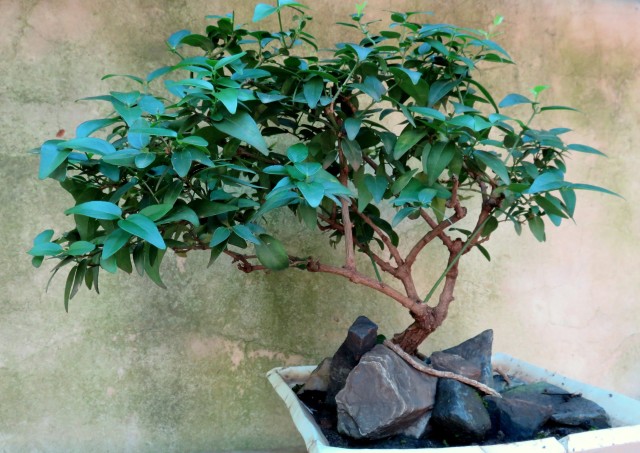
Bonsai Soil Mix Explained: What Works Best for Each Species
I didn’t really understand bonsai soil, and here is Bonsai Soil Mix Explained, until I killed my first juniper. And then my second. Same tree, actually—just repotted twice with the same mistake.
I thought soil was soil. Garden soil, compost, maybe a bit of sand. Done, right?
But bonsai soil isn’t “soil” in the traditional sense at all. It’s more like a carefully engineered drainage system that happens to hold a tree upright. And if that sounds dramatic… well, does that sound familiar?
Let’s break this down in a way that actually makes sense. Not textbook-perfect, not overly polished—just what genuinely works, species by species, with a few hard-earned lessons mixed in.
Why Bonsai Soil Is Different (And Why Most Beginners Get It Wrong)
Think of bonsai soil like the lungs of your tree. If they can’t breathe, nothing else matters.
In nature, roots spread wide and deep. In a bonsai pot, roots are trapped. So water, oxygen, and nutrients must be perfectly balanced—or rot sets in fast.
According to Wikipedia’s bonsai overview, the entire art form relies on controlled root growth. Soil isn’t a background detail; it’s the foundation.
The Three Jobs of a Good Bonsai Soil Mix
- Drainage: Excess water must leave quickly.
- Aeration: Roots need oxygen, not suffocation.
- Moisture retention: Enough water stays behind—just enough.
Garden soil fails all three. It compacts, suffocates roots, and turns into sludge. I’ve seen it happen in under two weeks during the Indian monsoon humidity.
The Core Components of Bonsai Soil (No Fluff)
Most proper bonsai mixes are built from just a few materials. Simple, but intentional.
Akadama
Akadama is a Japanese clay granule and, honestly, the gold standard. It absorbs water, breaks down slowly, and tells you when it’s dry (it changes color).
But—here’s the real talk—it’s expensive and not always easy to find locally.
I once tried stretching akadama by mixing it with brick grit sourced from a local kiln. Not perfect, but the trees survived. That counts.
Pumice
Lightweight, porous, and excellent for root development. It doesn’t hold nutrients well on its own, but that’s not its job.
Lava Rock
Adds structure and long-term aeration. Heavy enough to anchor trees, especially top-heavy styles.
Organic Components (Used Sparingly)
Pine bark fines or composted bark are sometimes used—especially for tropical species. But too much organic matter is asking for fungus gnats and root rot.
Ask me how I know.
Bonsai Soil Mix by Species (This Is Where It Actually Matters)
There is no universal bonsai soil. Anyone telling you otherwise is simplifying things too much.
Let’s go species by species.
Juniper Bonsai Soil Mix
Recommended Mix
- 50% akadama
- 25% pumice
- 25% lava rock
Junipers hate wet feet. They tolerate drought far better than soggy soil.
I learned this after losing a nursery juniper that looked “healthy” for months… until it wasn’t.
Ficus Bonsai Soil Mix
Recommended Mix
- 40% akadama
- 30% pumice
- 20% lava rock
- 10% pine bark
Ficus trees are forgiving. That’s why they’re popular indoors.
But forgiving doesn’t mean careless. A little organic matter helps with moisture retention, especially in dry indoor air.
Japanese Maple Bonsai Soil Mix
Recommended Mix
- 60% akadama
- 20% pumice
- 20% lava rock
Maples are drama queens. Too dry? Leaf scorch. Too wet? Root issues.
Higher akadama content gives you more control, especially during hot summers.
Pine Bonsai Soil Mix
Recommended Mix
- 30% akadama
- 30% pumice
- 40% lava rock
Pines prefer lean, fast-draining soil. Think mountain slopes, not forest floors.
Heavy feeding comes later—soil first, fertilizer second.
Chinese Elm Bonsai Soil Mix
Recommended Mix
- 50% akadama
- 25% pumice
- 25% lava rock
Chinese elms adapt well to different mixes, which is why they’re often recommended for beginners.
But consistency matters more than perfection.
Case Study: Same Tree, Two Soil Mixes, Very Different Outcomes
A local bonsai hobbyist group here experimented with identical ficus cuttings.
One group used regular potting soil with sand. The other used a proper bonsai mix.
After six months:
- Potting soil group: slow growth, yellowing leaves, and fungus gnats.
- Bonsai mix group: compact internodes, healthy roots, stronger trunk.
Same fertilizer. Same watering schedule. Soil made the difference.
Buying vs Mixing Your Own Bonsai Soil
If you’re short on time, pre-mixed soil from reputable sellers can work well.
I’ve had good results with mixes recommended on bonsaitreeforsale.net, especially for beginners who don’t want to overthink ratios.
But mixing your own gives you control. And once you understand the logic, it becomes second nature.
When Pre-Mixed Soil Makes Sense
- You’re just starting out
- You only have one or two trees
- You don’t have access to materials locally
When DIY Is Better
- You grow multiple species
- You repot frequently
- You want to adjust for climate
Climate Matters More Than Most People Admit
Here’s something many guides skip: climate changes everything.
In humid regions, drainage is king. In dry regions, moisture retention matters more.
During peak summer heat, I increase akadama slightly. During the monsoon season, I increase lava rock.
Same species. Different conditions.
Common Bonsai Soil Mistakes (I’ve Made All of These)
- Using fine particles that clog drainage holes
- Skipping soil sifting
- Assuming one mix works for all trees
- Overwatering to “compensate” for poor soil
But mistakes are part of the process. Bonsai teaches patience by punishing shortcuts.
Final Thoughts (Not a Neat Conclusion, Just the Truth)
Bonsai soil isn’t about copying recipes—it’s about understanding why they work.
Once that clicks, you stop asking “What soil should I use?” and start asking “What does this tree need right now?”
And honestly, that’s when bonsai stops feeling confusing and starts feeling like a conversation with the tree itself.