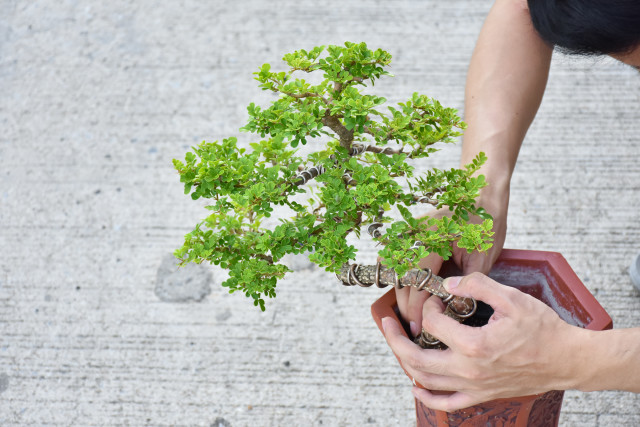
The Complete Guide to Bonsai Tree Care for Healthy Growth
Buying a bonsai tree is the easy part, and here is a guide to bonsai tree care. Keeping it healthy for years—or even decades—is where the real journey begins.
Many people assume bonsai trees are difficult to care for. In reality, most problems arise because owners don’t understand the basic needs of their tree. I’ve seen healthy bonsai decline from overwatering, lack of sunlight, or simply being placed in the wrong environment. The good news? Once you understand the fundamentals, bonsai care becomes surprisingly straightforward.
This guide covers everything you need to know about maintaining a healthy bonsai tree, from watering and pruning to fertilizing and seasonal care.
If you’re looking for quality specimens to start your bonsai journey, explore the collection of bonsai trees for sale suitable for beginners and experienced growers alike.
Featured Snippet: How Do You Care for a Bonsai Tree?
Bonsai tree care involves proper watering, adequate sunlight, regular pruning, occasional repotting, and seasonal maintenance. The exact requirements depend on the species, but healthy bonsai trees thrive when their natural growing conditions are replicated as closely as possible.
Understanding Bonsai Tree Care
A bonsai tree is not a special type of tree. It is a regular tree grown in miniature form through careful cultivation techniques.
That means every bonsai species retains the same biological needs as its full-sized counterpart. A Juniper bonsai still needs outdoor conditions. A Ficus bonsai still prefers warm temperatures and bright light.
The secret to successful bonsai care isn’t forcing a tree to adapt to your environment. It’s adapting your care routine to the tree’s natural requirements.
The Five Pillars of Healthy Bonsai Growth
- Proper Watering
- Correct Sunlight Exposure
- Regular Pruning
- Balanced Fertilization
- Timely Repotting
Master these five areas, and you’ll solve most bonsai care challenges before they begin.
Watering Bonsai Trees Correctly
If there is one skill every bonsai owner must learn, it’s watering.
Ironically, overwatering kills more bonsai trees than underwatering. Many beginners assume a small tree needs constant moisture. In reality, roots require oxygen as much as water.
How Often Should You Water a Bonsai?
The answer depends on:
- Tree species
- Pot size
- Climate
- Season
- Soil composition
Rather than following a schedule, check the soil daily. Water when the top layer begins to feel slightly dry.
Signs of Overwatering
- Yellow leaves
- Root rot
- Mold growth
- Persistent wet soil
Signs of Underwatering
- Crispy leaves
- Wilting foliage
- Dry soil pulling from pot edges
Many bonsai enthusiasts purchasing from Bonsai Tree For Sale quickly discover that observing soil moisture is more reliable than following a strict watering calendar.
Sunlight Requirements for Bonsai Trees
Sunlight is often the difference between a thriving bonsai and a struggling one.
Indoor Bonsai Lighting
Tropical species such as Ficus, Jade, and Fukien Tea can adapt to indoor environments, but they still need bright light.
- South-facing windows are ideal.
- East-facing windows work well.
- Grow lights may help during winter.
Outdoor Bonsai Lighting
Outdoor species generally require direct sunlight for several hours each day.
Juniper, Pine, and Japanese Maple bonsai perform best when exposed to natural outdoor conditions.
Bonsai Tree Care Comparison Table
| Care Element | Indoor Bonsai | Outdoor Bonsai |
|---|---|---|
| Sunlight | Bright indirect light | Direct sunlight |
| Humidity | Moderate to high | Natural outdoor humidity |
| Watering Frequency | Moderate | Often more frequent |
| Dormancy Requirement | Usually none | Usually required |
| Temperature Stability | Important | Less critical |
Pruning for Healthy Growth
Pruning keeps your bonsai compact and encourages finer branch development.
Without pruning, a bonsai tree eventually loses its miniature appearance.
Maintenance Pruning
This involves trimming new shoots and leaves to maintain shape.
Structural Pruning
This type of pruning changes the tree’s design by removing larger branches.
Structural pruning should be done carefully because major cuts affect future growth patterns.
Fertilizing Bonsai Trees
Because bonsai trees grow in small containers, nutrients become depleted more quickly than they would in the ground.
Why Fertilizer Matters
- Promotes healthy growth
- Supports root development
- Improves foliage quality
- Enhances overall vigor
General Fertilizing Schedule
| Season | Fertilizing Frequency |
|---|---|
| Spring | Every 1–2 weeks |
| Summer | Every 2 weeks |
| Autumn | Monthly |
| Winter | Minimal or none |
Always adjust fertilizing schedules based on species and growth stage.
Repotting: The Forgotten Essential
Many beginners focus on watering and pruning but overlook repotting.
Over time, roots fill the container, reducing drainage and limiting growth.
Signs Your Bonsai Needs Repotting
- Water drains slowly
- Roots circle the pot
- Growth slows significantly
- Roots emerge from drainage holes
Repotting Frequency
| Tree Age | Repotting Schedule |
|---|---|
| Young Bonsai | Every 1–2 years |
| Mature Bonsai | Every 3–5 years |
Seasonal Bonsai Care
Spring
- Increase watering
- Begin fertilizing
- Repot when necessary
Summer
- Monitor moisture closely
- Protect from extreme heat
- Continue pruning
Autumn
- Reduce fertilizer
- Prepare outdoor trees for dormancy
- Inspect for pests
Winter
- Reduce watering
- Protect sensitive species
- Avoid heavy pruning
Common Bonsai Problems and Solutions
Yellow Leaves
Usually caused by overwatering, poor drainage, or insufficient light.
Leaf Drop
May occur due to environmental changes, watering issues, or seasonal adjustment.
Weak Growth
Often linked to insufficient sunlight or nutrient deficiencies.
Pests
Spider mites, aphids, and scale insects occasionally affect bonsai trees. Regular inspection prevents severe infestations.
Choosing healthy specimens from trusted suppliers such as BonsaiTreeForSale.net can significantly reduce early care problems.
Learning the Art Behind Bonsai
Bonsai is more than plant care. It combines horticulture, patience, design, and observation.
The practice has evolved over centuries and remains one of the most respected forms of living art.
For additional historical context, visit Wikipedia’s Bonsai article.
Expert Tips for Long-Term Success
- Observe your tree daily.
- Learn your species-specific requirements.
- Never water on a fixed schedule.
- Use quality bonsai soil.
- Prioritize sunlight over fertilizer.
- Be patient with growth and development.
The healthiest bonsai trees are usually cared for by owners who pay attention consistently rather than those who constantly intervene.
Frequently Asked Questions
How often should a bonsai tree be watered?
Water when the soil begins to dry. Frequency varies based on species, climate, and season.
Can bonsai trees survive indoors?
Yes. Tropical species such as Ficus and Jade can thrive indoors when given adequate light.
Do bonsai trees need fertilizer?
Yes. Bonsai trees rely on supplemental nutrients because they grow in limited soil volumes.
How long do bonsai trees live?
With proper care, bonsai trees can live for decades and sometimes centuries.
Final Thoughts
Bonsai tree care isn’t about perfection. It’s about understanding the needs of your tree and responding consistently over time.
Water carefully, provide adequate sunlight, prune thoughtfully, fertilize responsibly, and repot when necessary. These simple principles form the foundation of healthy bonsai growth.
Ready to start or expand your bonsai collection? Visit BonsaiTreeForSale.net and explore a carefully curated selection of healthy bonsai trees for beginners and experienced growers.