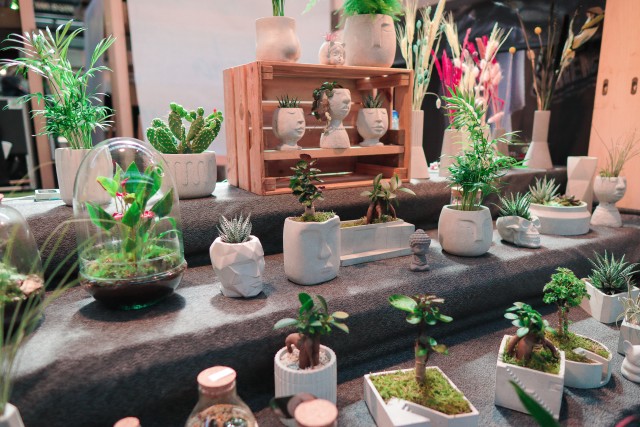
10 Best Bonsai Trees for Beginners and First-Time Growers
10 Best Bonsai Trees for Beginners, and starting your bonsai journey can feel exciting and overwhelming at the same time. Walk into any bonsai nursery or browse online collections, and you’ll quickly discover hundreds of species, styles, and sizes. The problem? Not every bonsai tree is beginner-friendly.
I’ve seen many first-time growers purchase a stunning bonsai only to struggle because the species required advanced pruning techniques, strict humidity control, or outdoor winter dormancy. A better approach is choosing a forgiving tree that allows you to learn the fundamentals without constant frustration.
In this guide, we’ll explore ten of the best bonsai trees for beginners, discuss their strengths, compare care requirements, and help you select the right tree for your home.
If you’re ready to start growing, browse the available bonsai trees for beginners and compare species that match your environment.
Featured Snippet: What Is the Best Bonsai Tree for Beginners?
Ficus Bonsai is widely considered the best bonsai tree for beginners because it adapts well to indoor environments, tolerates occasional care mistakes, and grows vigorously. Other excellent beginner species include Chinese Elm, Jade, Juniper, and Hawaiian Umbrella Bonsai.
Why Choosing a Beginner-Friendly Bonsai Matters
Bonsai is often described as a blend of horticulture and art. While that sounds inspiring, the reality is that every bonsai tree has specific care requirements. Some species demand near-perfect conditions, while others are remarkably forgiving.
As a beginner, your goal should be learning:
- Proper watering techniques
- Basic pruning skills
- Sunlight management
- Repotting fundamentals
- Seasonal maintenance
The right bonsai species makes these lessons enjoyable rather than stressful.
Comparison Table: Best Bonsai Trees for Beginners
| Bonsai Species | Indoor/Outdoor | Difficulty | Growth Rate | Beginner Score |
|---|---|---|---|---|
| Ficus | Indoor | Easy | Fast | 10/10 |
| Chinese Elm | Indoor/Outdoor | Easy | Moderate | 9.5/10 |
| Jade | Indoor | Easy | Moderate | 9/10 |
| Juniper | Outdoor | Easy | Moderate | 9/10 |
| Hawaiian Umbrella | Indoor | Easy | Fast | 9/10 |
| Fukien Tea | Indoor | Moderate | Slow | 8/10 |
| Dwarf Schefflera | Indoor | Easy | Moderate | 8.5/10 |
| Cotoneaster | Outdoor | Moderate | Moderate | 8/10 |
| Boxwood | Outdoor | Moderate | Slow | 8/10 |
| Privet | Indoor/Outdoor | Easy | Fast | 8.5/10 |
1. Ficus Bonsai
Why Beginners Love It
Ficus remains the gold standard for first-time bonsai growers. It tolerates indoor conditions exceptionally well and recovers quickly from occasional mistakes.
The thick trunk, glossy leaves, and aerial roots create an impressive bonsai appearance even at a young age.
For many people shopping for their first tree from Bonsai Tree For Sale, Ficus is often the safest choice.
2. Chinese Elm Bonsai
Chinese Elm combines beauty with durability. It develops fine branching patterns and tiny leaves that perfectly capture the classic bonsai aesthetic.
Unlike some species, Chinese Elm adapts well to various growing conditions and rewards beginners with steady growth.
3. Jade Bonsai
If you occasionally forget to water houseplants, Jade Bonsai might be your perfect match.
As a succulent species, Jade stores water in its thick leaves and trunk, making it highly drought-tolerant compared to many traditional bonsai trees.
Best Features
- Excellent indoor plant
- Low watering needs
- Unique appearance
- Long lifespan
4. Juniper Bonsai
Few trees represent bonsai culture more than Juniper. Their rugged bark and naturally dramatic shapes make them a favorite among enthusiasts.
However, beginners should remember one important fact: Juniper Bonsai belongs outdoors.
Many failed Juniper trees result from being kept inside year-round.
5. Hawaiian Umbrella Bonsai
The Hawaiian Umbrella Tree is often overlooked, which is surprising because it may be one of the easiest indoor bonsai species available.
Its attractive canopy structure and tolerance for indoor environments make it ideal for offices and apartments.
6. Fukien Tea Bonsai
Fukien Tea Bonsai offers beautiful tiny leaves and delicate white flowers throughout the year.
Although slightly more demanding than Ficus or Jade, it remains accessible for beginners willing to learn proper care techniques.
7. Dwarf Schefflera Bonsai
Dwarf Schefflera adapts remarkably well to indoor growing conditions.
One reason many first-time growers succeed with this species is its resilience. It tolerates occasional watering inconsistencies better than many traditional bonsai trees.
When shopping for indoor bonsai trees, Schefflera deserves consideration.
8. Cotoneaster Bonsai
Cotoneaster brings seasonal interest to bonsai collections through flowers, berries, and attractive branching.
Outdoor growers often appreciate its changing appearance throughout the year.
What Makes It Special?
- Spring flowers
- Colorful berries
- Excellent ramification
- Wildlife-friendly
9. Boxwood Bonsai
Boxwood is known for its dense foliage and ability to handle heavy pruning.
While it grows more slowly than some beginner species, many bonsai artists appreciate the control this provides during styling.
10. Privet Bonsai
Privet grows vigorously and responds well to shaping. Beginners often enjoy seeing rapid progress as they learn pruning techniques.
The tree’s adaptability makes it suitable for various bonsai styles and training methods.
Indoor vs Outdoor Bonsai for Beginners
| Indoor Bonsai | Outdoor Bonsai |
|---|---|
| Ficus | Juniper |
| Jade | Boxwood |
| Fukien Tea | Cotoneaster |
| Schefflera | Japanese Maple* |
| Hawaiian Umbrella | Pine Species* |
*More advanced than the species discussed in this guide.
How to Choose Your First Bonsai Tree
Instead of asking, “Which bonsai is the most beautiful?” ask yourself:
- Will the tree live indoors or outdoors?
- How much sunlight do I have?
- How often can I monitor watering?
- Do I want fast or slow growth?
- Am I interested in flowers, fruit, or foliage?
The answers often narrow the selection quickly.
The Cultural History of Bonsai
Bonsai has evolved over centuries as both a horticultural practice and an artistic tradition. Today, enthusiasts worldwide cultivate miniature trees while applying principles of balance, patience, and natural beauty.
For additional background, visit Wikipedia’s Bonsai page.
Expert Advice for First-Time Growers
After speaking with experienced growers and observing common beginner mistakes, one lesson stands out: don’t start with the rarest tree.
A healthy Ficus or Chinese Elm teaches the same fundamental skills you’ll need later when working with more advanced species.
Master watering, pruning, and observation first. The rest comes naturally.
You can explore beginner-friendly collections and compare species through trusted bonsai tree selections before making your first purchase.
Frequently Asked Questions
Which bonsai tree is easiest for beginners?
Ficus Bonsai is generally considered the easiest species for beginners due to its adaptability, resilience, and tolerance of indoor environments.
Can beginners keep bonsai indoors?
Yes. Species such as Ficus, Jade, Hawaiian Umbrella, and Fukien Tea can thrive indoors when provided with sufficient light and proper watering.
How much should I spend on my first bonsai?
Most beginners can find a healthy starter bonsai between $30 and $100. Focus on tree health rather than rarity.
How often should I water a bonsai tree?
Watering depends on species, soil, climate, and season. Check soil moisture daily and water when the top layer begins to dry.
Final Thoughts
The best bonsai tree for beginners is not necessarily the rarest or most expensive. It’s the one that fits your environment, schedule, and experience level.
Starting with beginner-friendly species such as Ficus, Chinese Elm, Jade, or Hawaiian Umbrella gives you the greatest chance of success while building confidence and skills.
Ready to start your bonsai journey? Browse the premium collection at BonsaiTreeForSale.net and discover beginner-friendly bonsai trees that can thrive in your home for years to come.